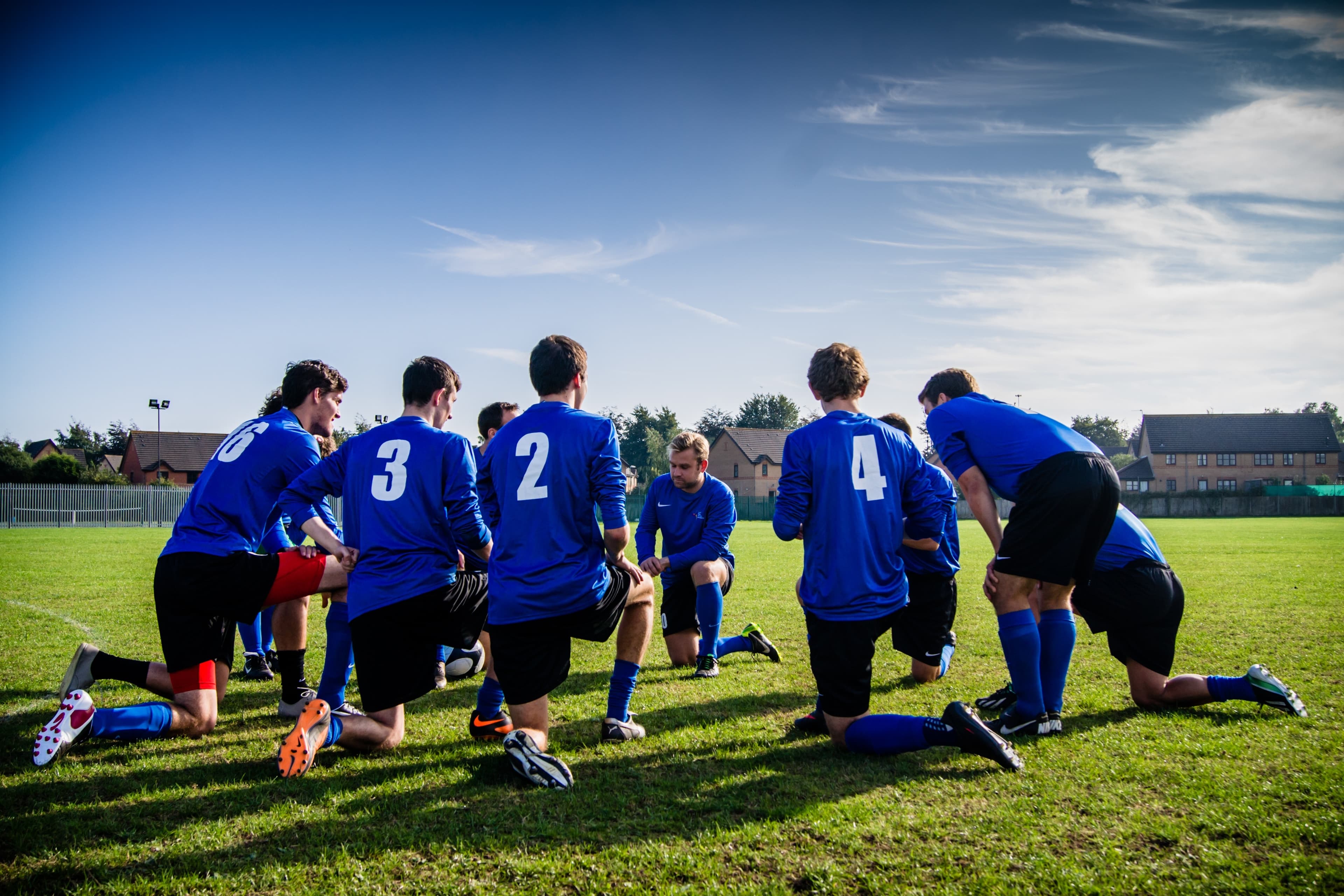

It is easy to mistake visibility for value. Teams can spend weeks polishing the parts of a product that look good in screenshots while the moments that actually matter stay rough, slow, or unreliable.
We try to work from the opposite direction. We start with the moment a person needs the product to do its job: on the sideline, in the stands, between classes, or late at night when someone is trying to finish something simple without a bunch of extra steps.
That changes the questions we ask.
Instead of asking what feels flashy, we ask what needs to be obvious. Instead of asking what adds novelty, we ask what cuts confusion. Instead of optimizing for presentation, we optimize for consistency under pressure.
What this means in practice
- We prefer fewer surfaces, better hierarchy, and stronger defaults.
- We design for fast understanding, not extended explanation.
- We prioritize reliability in the moments when attention is limited and stakes feel higher.
- We ship improvements that compound over time instead of changes that merely create movement.
The best product decisions often do not announce themselves. You notice them later, when the interface still feels easy to use after you have used it a bunch of times, when the workflow still holds together on a hectic day, and when the product earns trust without asking for attention.
That is the standard we want: not polish for its own sake, but something that keeps working. Not novelty, but staying power. Not noise, but something people can rely on.